
Mizu Ryu Ju Jutsu
Est April 24th 1994 - Basingstoke, UK.
Self Defence, Self Discipline, Self Development.
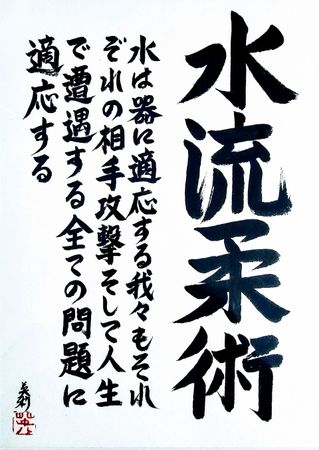
Mizu Ryu Ju Jutsu is a Japanese style of Ju Jutsu, formulated in 1994. As a style of Japanese Ju Jutsu, it contains all fight ranges and is more concerned with self defence than competition. The founder created its SD3 initiative to cover the key aspects of; Self Defence, Self Discipline & Self Development covered in the syllabus.
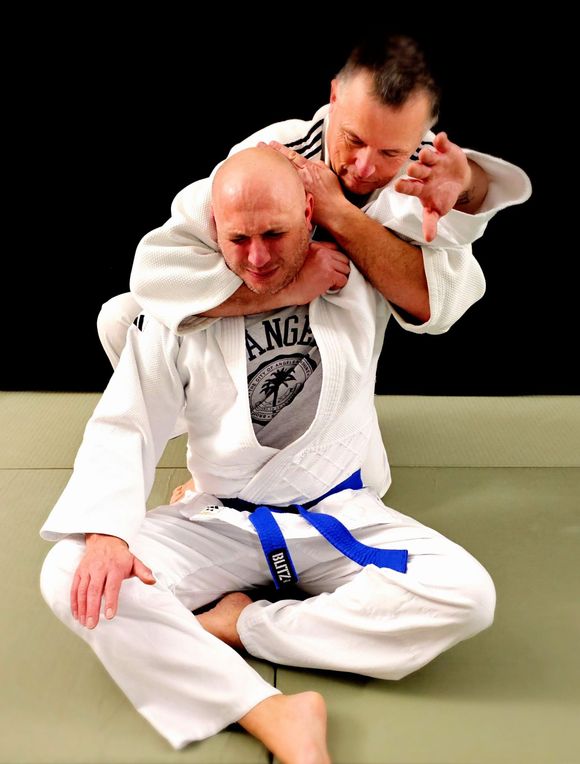
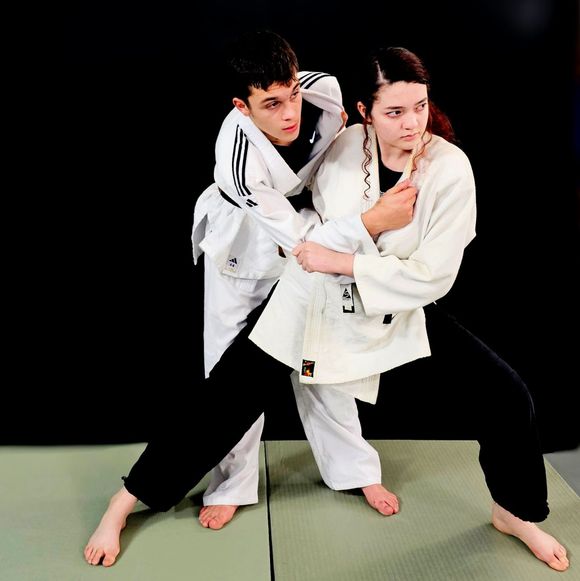
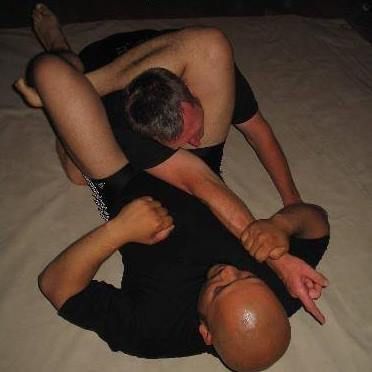

Mizu Ryu Student Manuals
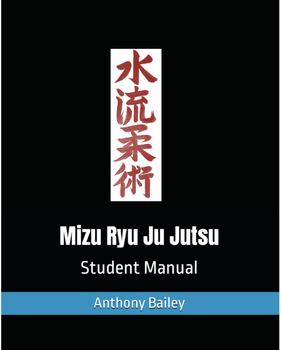
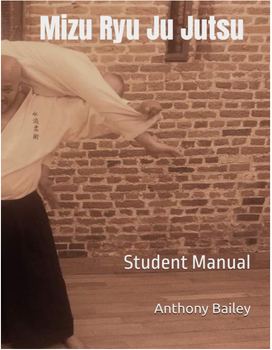
Click on the image to open the Amazon book page
This is the student manual for those studying Mizu Ryu Ju Jutsu.
With a short history of the founder and requirements of the syllabus for both Junior and Senior grades, it's a must have for any student and should be used in conjunction with the technical manual (Book 2 in the series) and attending regular lessons..
The book also has articles and subjects covered in the Kuden or oral teachings, as well as space to make your own notes. The special edition hardback, contains some articles not covered in the paperback version, but both fully cover the information needed as a student. Use this book, mark it, highlight and add to it, as you continue your journey within Mizu Ryu Ju Jutsu.
FAQ's
What is Mizu Ryu Ju Jutsu?
Mizu Ryu Ju Jutsu is a Gendai or modern Japanese style of Ju Jutsu, founded in Basingstoke, 24th April 1994.
It is suitable for children as well as adults and as an inclusive system,
'we welcome all, and discriminate against none'.
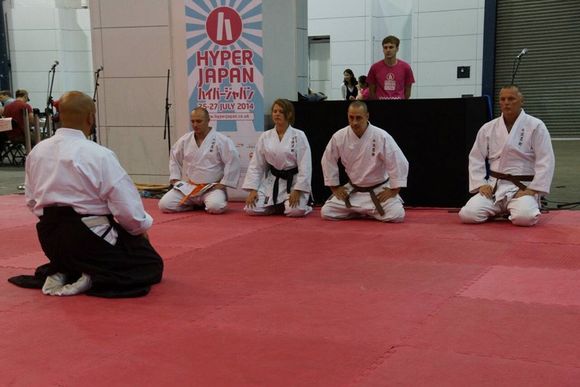
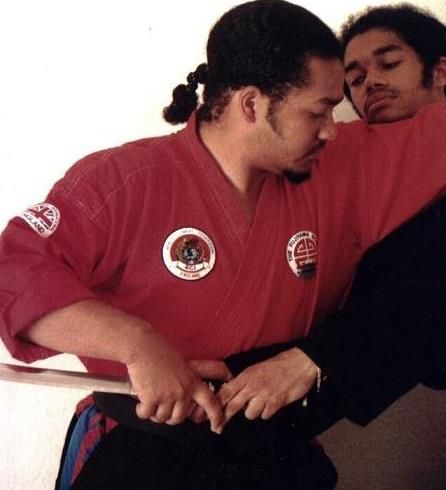
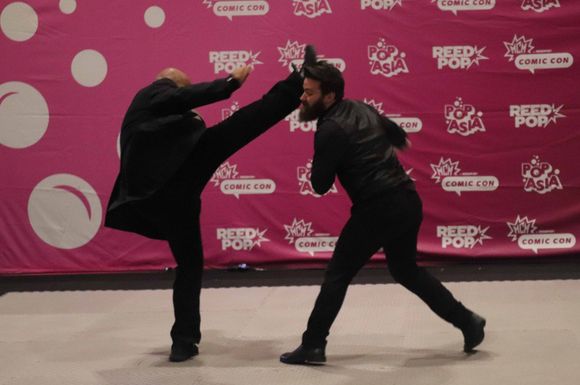
The syllabus is a mixture of traditional Ju Jutsu techniques (punches, kicks, throws and groundwork), for both a sport application and self defence.
If you put Judo, Karate and Aikido together, that would give you some idea of the vast technical range covered by Ju Jutsu.
We have a modern outlook to situational awareness and all the mental and emotional aspects that go in tandem with that training. We train with some of the traditional techniques which form the basis of a sound self defence, tempered by a modern outlook & application, based on real experience.
Many traditionalists don't compete.
Many modern fighters have no traditional foundation.
Many of both have no real fight experience...............................we have all 3.
Why train in Ju Jutsu?
The training is both practical, and fun, and helps to promote:
- Healthy, regular exercise
- Self defence
- Self awareness
- Self discipline
- Respect for others
Do you need experience to start?
No, we take absolute beginners as well as experienced people.
Our expert instructors know how to help you, regardless of what your experience level or ability is to start with.
What's the difference between BJJ and Japanese Ju Jutsu?
Brazilian Jiu Jitsu is a popular, modern sport version of Ju Jutsu with no strikes and around 90% groundwork in competition.
Japanese Ju Jutsu is its origin, a martial art which was founded 100's of years ago as a self defence method.
It contains Punches, Kicks, Throws, holds, weapons, submissions, pressure points and meditation.
Is studying martial arts good for you?
Yes. In the last couple of decades, more scientific research has been undertaken and the results show that, the study of traditional martial arts is good for positive mental attitude, discipline and respect, not just the physical benefits.
"The Effect of Traditional Martial Arts Training on Children's Aggressiveness"
(1986)
by Zivin et al.
Children who participated in martial arts training showed significant decreases in aggressiveness compared to the control group. Additionally, they exhibited better behaviour in school and more respect for authority.
"Martial Arts Intervention Decreases Aggression in Children with Behavioural Problems" (2018) by Twemlow et al
Training led to significant reductions in aggressive behaviour and improvements in self-regulation and empathy. The study emphasized the role of martial arts in teaching respect, self-discipline, and conflict resolution.
"Martial Arts Training as a Mental Health Intervention for Children?"
(2001) by Lakes & Hoyt
Children involved in martial arts showed improved self-regulation, including better emotional control, greater attention, and more persistence in challenging tasks. These behavioural improvements were linked to the structured, disciplined environment of martial arts.
Can anyone learn Ju Jutsu?
YES! Self defence is an important skill to learn and our confidence building, anti-bullying and autism ally messages, are just as important as the physical aspects we practice at the club.
We welcome all new members, children 6+ yrs, students and other adults alike, and we are supported by our partners below, to offer inclusive training to all who want to join.

Where can I learn more?
Contact our our Hombu Dojo in Basingstoke, Hampshire here, for more information.
We are also about to open another dojo in Luton, Hertfordshire, so check back in soon for more details.
